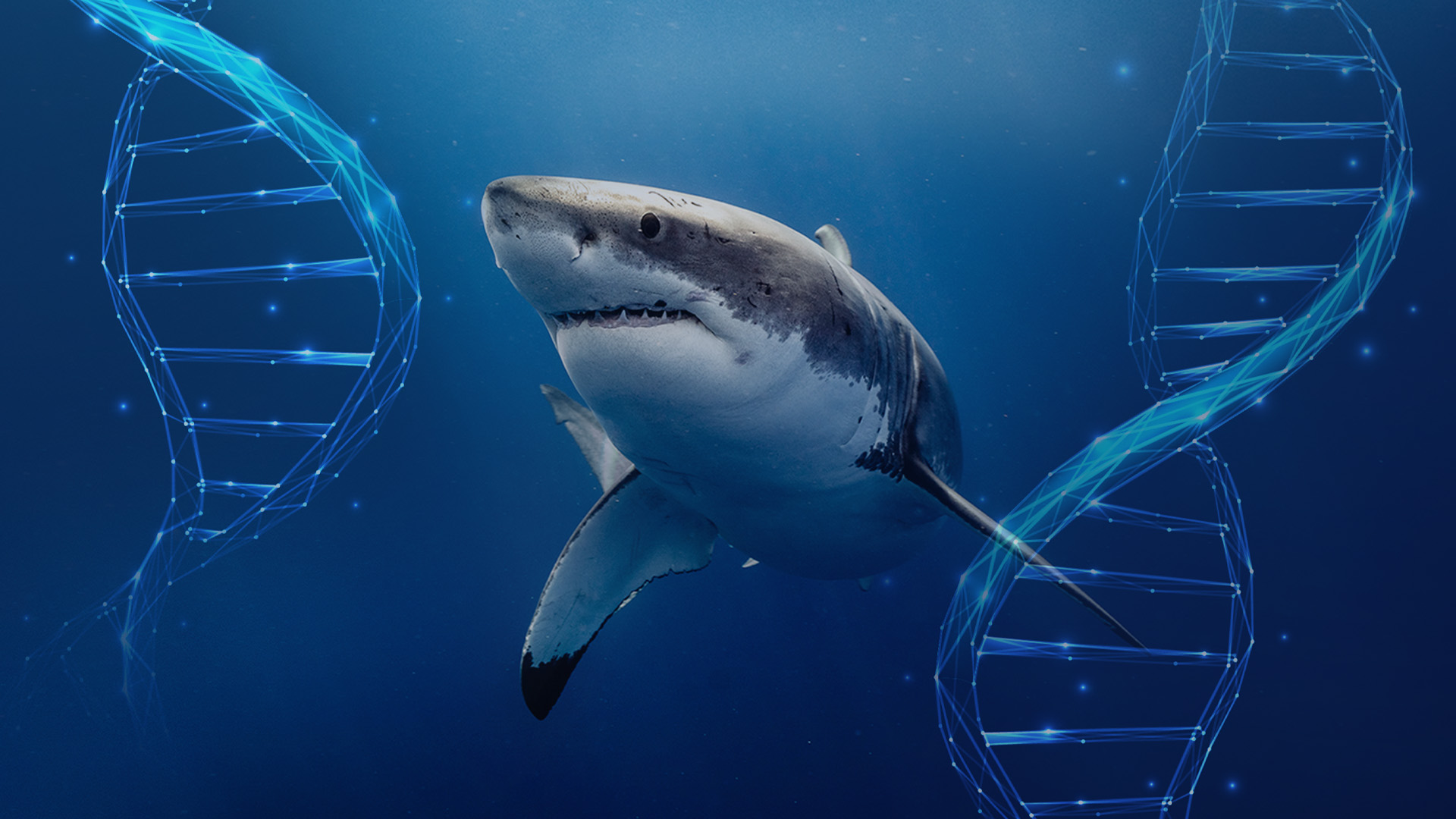

BEACH SAFETY STARTS WITH UNDERSTANDING A HEALTHY OCEAN
The Return to Abundance Means More Life—And That’s Good News
For decades, fisheries managers, conservationists, scientists, and coastal communities have worked together to rebuild America’s ocean ecosystems. Today, we’re seeing encouraging signs that those efforts are working.
Across both the Atlantic and Pacific coasts, fish populations are recovering in many areas, marine wildlife is returning, and our oceans are becoming healthier. At OCEARCH, we call this The Return to Abundance—a future where healthy oceans support thriving wildlife, sustainable fisheries, stronger coastal economies, and unforgettable experiences on the water.
One of the greatest signs of a healthy ocean is simple:
Where there is more life, there is more life.
Schools of baitfish attract larger fish. Larger fish attract top predators like sharks. Birds gather overhead. Dolphins may join the action. It’s all part of a functioning marine ecosystem.
That’s something to celebrate—not fear.
The key is knowing how to recognize nature at work and giving wildlife the space it deserves.
Smart Beach Safety Starts With Awareness
Watch the Water Before You Swim:
Before entering the ocean, spend a few minutes simply watching.
Look for:
- Birds diving repeatedly into the water
- Large schools of baitfish near shore
- Fish actively jumping
- Dolphins or other marine predators feeding
These are all signs that feeding activity is underway.
Rather than swimming directly into that activity, wait for it to move through or choose another stretch of beach.
Don’t swim into the food chain.
Nature is putting on an incredible show—it’s often better enjoyed from the shoreline.
Rip Currents Are the Risk You Should Know Best:
While sharks receive most of the headlines, rip currents are responsible for far more beach rescues and fatalities.
If caught in a rip current:
- Stay calm.
- Don’t fight the current.
- Swim parallel to the shoreline until you’re free.
- Then angle back toward the beach.
- If you cannot escape, float, conserve energy, and signal for help.
Always swim near lifeguards whenever possible and pay attention to posted beach conditions.
Respect Wildlife—From a Distance:
The ocean is home to countless incredible animals.
Whether it’s sharks, dolphins, sea turtles, seals, or large schools of fish, give wildlife plenty of space and allow natural behaviors to continue uninterrupted.
Healthy oceans depend on healthy wildlife.
Swim During Daylight Hours:
Most people can better recognize changing water conditions during daylight.
Good visibility helps swimmers identify currents, feeding activity, boats, and changing surf conditions.
Swim With Others:
Swimming with family or friends is simply safer.
Whether someone needs help with a current, an injury, or another emergency, having others nearby improves safety.
Pay Attention to Lifeguards:
Lifeguards understand local conditions better than anyone.
Always obey beach closures, warning flags, and posted advisories.
Prepare for the Elements
Beach safety isn’t only about what’s in the water.
Remember to:
- Stay hydrated.
- Wear sun protection.
- Watch changing weather.
- Leave the water immediately if thunder is heard or lightning is visible.
Facts Over Fear
Shark bites remain extremely rare.
Millions of people enjoy the ocean every year without incident.
The best way to reduce your already very small chance of encountering a shark is simple:
Avoid swimming where active feeding is taking place.
You don’t need to fear sharks.
You simply need to understand how healthy oceans work.
When you recognize feeding activity, step out of the food chain, enjoy the spectacle from shore, and return to the water once it has passed.
That’s good ocean awareness.
Learn More with the OCEARCH Global Shark Tracker
Want to better understand where sharks live, migrate, and travel?
The free OCEARCH Global Shark Tracker lets you follow the real movements of sharks and other marine animals tagged by OCEARCH scientists.
While the Tracker doesn’t show every shark in the ocean—and many species are never tagged—it offers an incredible window into migration patterns, seasonal habitats, and the science helping us better understand these remarkable animals.
The more we learn about sharks, the better equipped we are to replace fear with understanding.